Beetle control in Financial District: what to know
The Financial District's building stock is a compressed mix of early-20th-century office towers converted to residential lofts and new-construction condominiums — the conversions retain deep subfloor voids and shared service basements where rodents and cockroaches establish from the adjacent restaurant and food-court density around Fulton Center and Stone Street.
The underground subway interchange beneath Fulton Street is one of the system's major rodent habitats; populations move from the station infrastructure into adjacent building basements and ground-floor food service tenants through utility penetrations.
High-turnover short-term and corporate rentals in the converted towers introduce bed bug risk, and commercial kitchens on Stone Street and the surrounding dining district keep fly pressure elevated in warmer months.
Signs you need beetle control
- Small holes or thinning patches in wool, silk or fur clothing and rugs
- Tiny rounded beetles on windowsills or near fabric and stored food
- Shed larval skins or fine debris in closets, drawers or under furniture
- Small beetles in flour, grains or spices (pantry beetles)
How we treat beetle control in Financial District
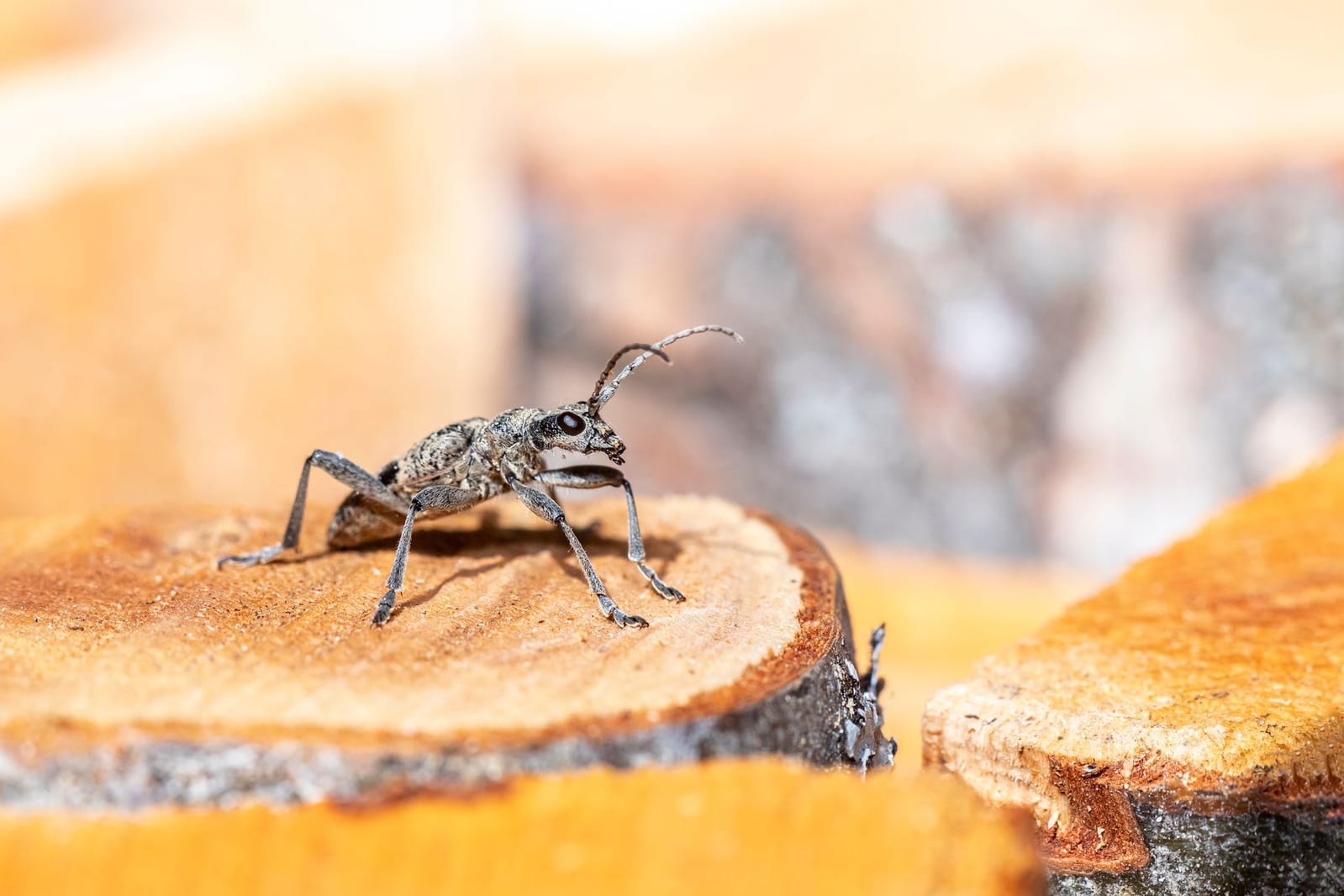
Beetles are one of the most common yet most misidentified NYC pests. Carpet beetles damage wool, silk, fur and other natural fibres in closets and under furniture; spider beetles (often mistaken for bed bugs or ticks) infest stored food, debris and old nests; pantry beetles breed in flour, grains and spices.
Because the larvae do the damage and hide in fabric, food or debris, killing the adult beetles you see does nothing — the infestation continues out of sight. We locate the source, guide its removal, and treat to break the life cycle.
Local landmarks & coverage
We serve all of Financial District and the surrounding Manhattan area — including Wall Street, New York Stock Exchange, Fulton Center, One World Trade Center, Stone Street — across ZIP codes 10004, 10005, 10006.