Ant control in Financial District: what to know
The Financial District's building stock is a compressed mix of early-20th-century office towers converted to residential lofts and new-construction condominiums — the conversions retain deep subfloor voids and shared service basements where rodents and cockroaches establish from the adjacent restaurant and food-court density around Fulton Center and Stone Street.
The underground subway interchange beneath Fulton Street is one of the system's major rodent habitats; populations move from the station infrastructure into adjacent building basements and ground-floor food service tenants through utility penetrations.
High-turnover short-term and corporate rentals in the converted towers introduce bed bug risk, and commercial kitchens on Stone Street and the surrounding dining district keep fly pressure elevated in warmer months.
How much does carpenter ant & ant control cost in Financial District?
$60–$500
National average: $150–$250 per visit (Angi). Typical single treatment: $80–$500 (small infestation). Bob Vila national range: $60–$215. Follow-up/retreatment visits: $40–$120.
US national figure — NYC typically runs higher.
NYC pest-control pricing tends to run higher in Manhattan than in Brooklyn or Queens — tier-2 NYC industry sources cite roughly a 10–20% premium, attributed to building-access logistics (walk-ups, elevators, doorman/board approval) and labour costs. This is directional signal from industry blogs, not an independently verified figure — confirm with a quote for your specific building.
Market range — not our quote
This is a market range synthesised from published cost guides — not a quote from this provider. The actual price depends on an in-person or photo-based inspection.
US national — NYC typically higher; no NYC-specific ant cost guide located, unlike bed bugs/rats/roaches.
What drives the price
- Infestation location (attic/basement/exterior walls cost more than kitchen/living space due to access difficulty)
- Severity
- Treatment method
- One-off vs follow-up retreatment
Signs you need ant control
- Ant trails in the kitchen or bathroom, particularly near water sources
- Activity that reappears in the same spot despite cleaning
- Ants observed near basement or utility areas as well as living space
- Trails that seem to originate from a wall void, riser, or floor gap rather than an obvious outdoor entry point
How we treat ant control in Financial District
Tribeca's residential buildings are, almost without exception, converted 19th-century industrial structures — cast-iron and brick warehouses and factories along Franklin, Duane and Chambers Streets. These buildings' deep basements and shared utility areas can hold moisture in ways a purpose-built residential structure doesn't, and moisture is what draws ants — and sustains a colony — indoors.
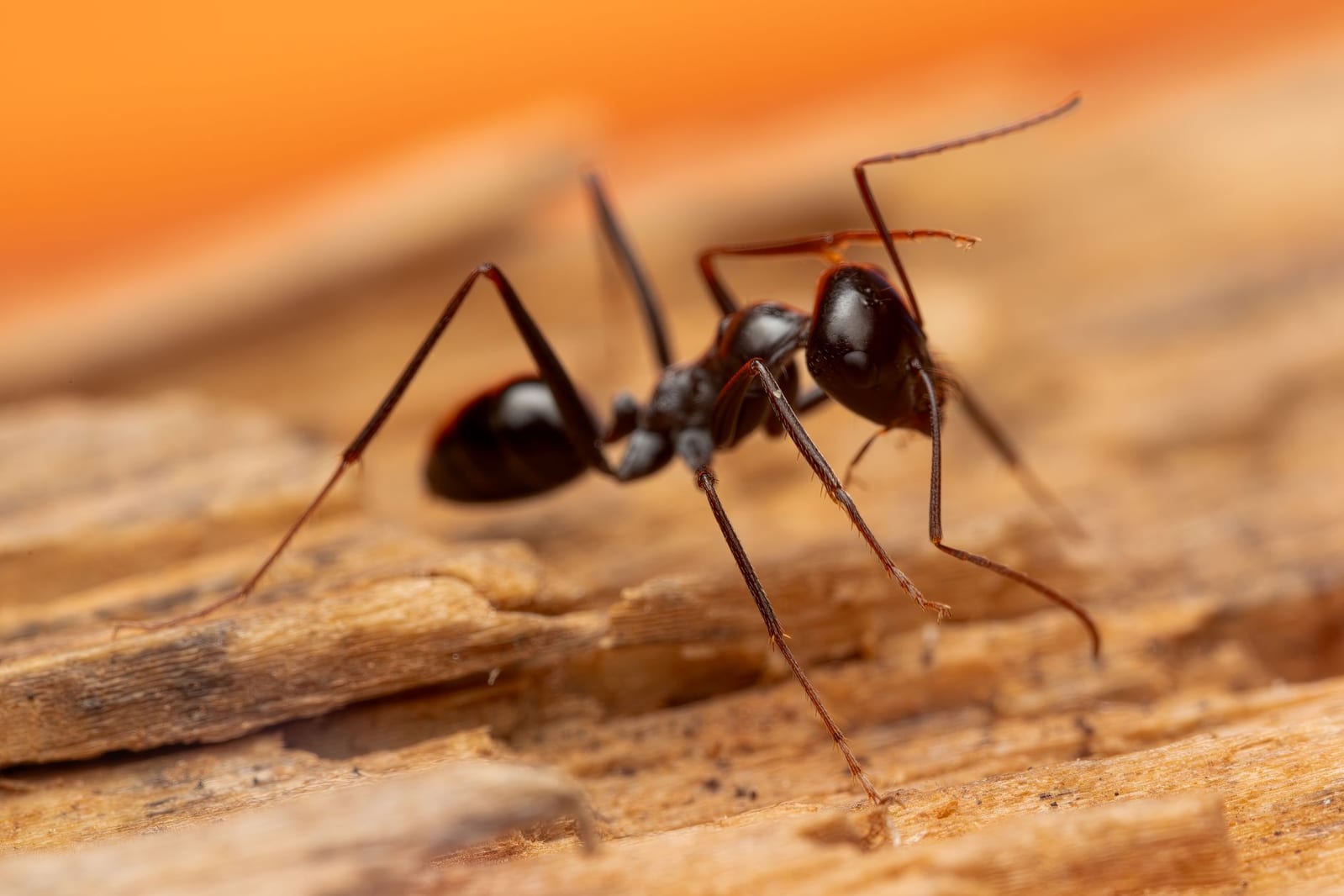
A trail of ants in a kitchen is rarely the whole story. In a converted warehouse building, the colony is often established somewhere in the shared infrastructure — a basement void, a utility chase, a loading-dock-adjacent space — with foragers travelling up through risers or wall voids to reach food sources in individual units.
Local landmarks & coverage
We serve all of Financial District and the surrounding Manhattan area — including Wall Street, New York Stock Exchange, Fulton Center, One World Trade Center, Stone Street — across ZIP codes 10004, 10005, 10006.