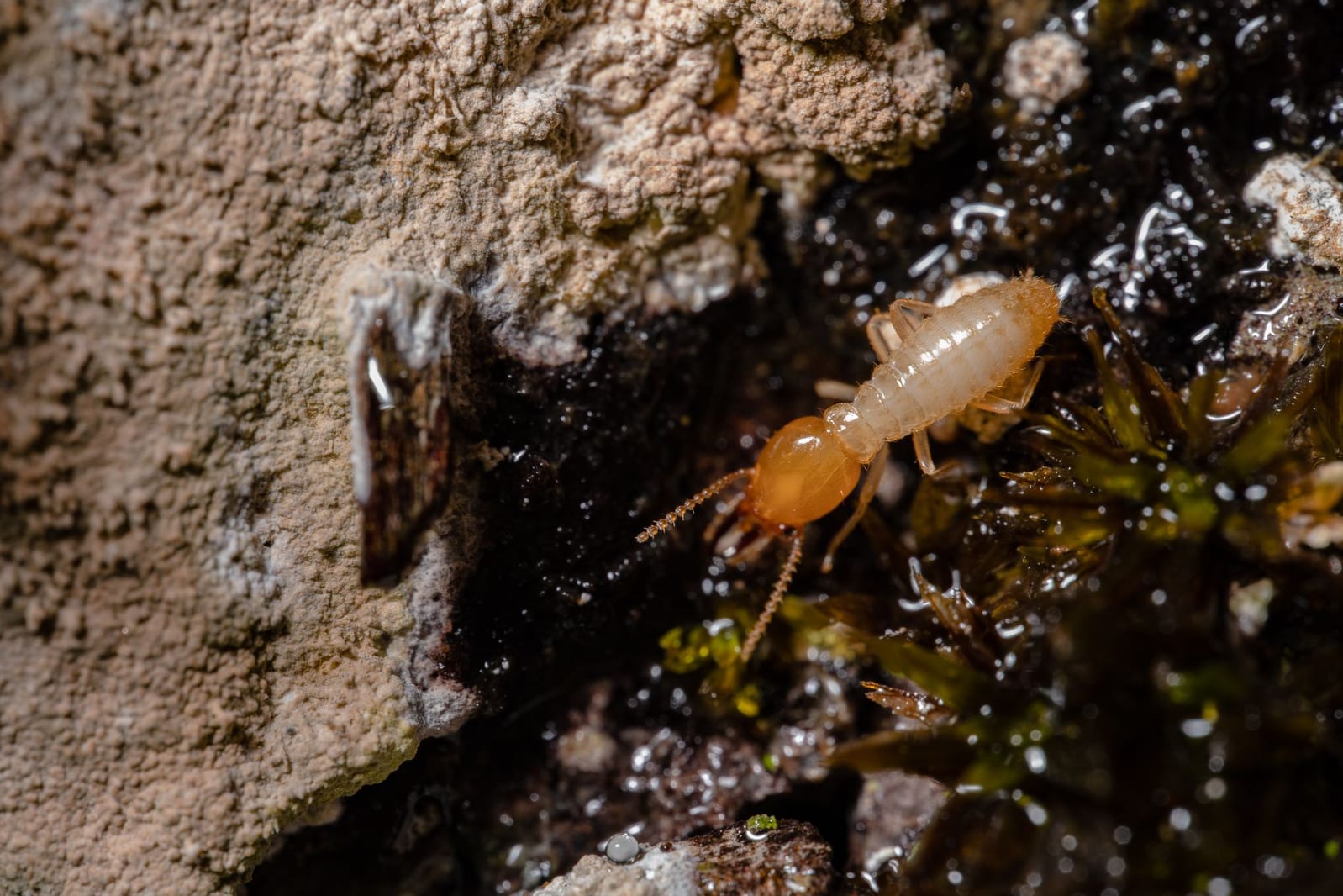
Termite control in Chinatown: what to know
Chinatown along Canal Street, Mott Street and Bayard Street has one of the highest restaurant, live-poultry and food-retail densities in the city — a combination that drives exceptionally strong rodent and cockroach pressure, with populations feeding out from the restaurant blocks into the surrounding tenement housing.
The older tenement buildings in the neighbourhood retain original plumbing systems, shared basement storage and first-floor commercial-to-residential transitions that make it difficult to seal pest entry routes without professional treatment.
Fly pressure is elevated year-round near the fish and produce markets on Canal Street, and ants are a persistent issue in ground-floor units adjacent to food retail businesses.
How much does termite control & inspection cost in Chinatown?
$75–$8,000
Inspection: $75–$325 (avg ~$100; many companies offer inspections free). Standard treatment: $230–$1,000 (avg ~$600). Extensive infestation/fumigation: $1,500–$8,000. Annual termite bond/warranty: $200–$400/year.
| Inspection | $75–$325 one-time |
| Standard treatment | $230–$1,000 one-time |
| Extensive infestation / fumigation | $1,500–$8,000 one-time |
| Annual bond / warranty | $200–$400 per year |
US national figure — NYC typically runs higher.
NYC pest-control pricing tends to run higher in Manhattan than in Brooklyn or Queens — tier-2 NYC industry sources cite roughly a 10–20% premium, attributed to building-access logistics (walk-ups, elevators, doorman/board approval) and labour costs. This is directional signal from industry blogs, not an independently verified figure — confirm with a quote for your specific building.
Market range — not our quote
This is a market range synthesised from published cost guides — not a quote from this provider. The actual price depends on an in-person or photo-based inspection.
US national — NYC typically higher. No NYC-specific termite pricing found; NYC's older/pre-war building stock and closely-spaced structures are plausible cost drivers but this is inference, not a sourced NYC figure — not presented as verified.
What drives the price
- Inspection alone vs bundled with treatment quote
- Treatment method (spot/localized vs whole-structure fumigation)
- Severity/extent of colony
- Ongoing bond/warranty vs one-time treatment only
Signs you need termite control
- Mud tubes running along foundations, walls, or crawl-space surfaces
- Wood that sounds hollow when tapped or crumbles easily
- Discarded wings near windowsills after a swarm
- Buckling paint or what looks like water damage on wood
How we treat termite control in Chinatown
Subterranean termites cause more structural damage than fires and storms combined, and they work silently — by the time you see damage, a colony has often been active for years. In the New York area, termites threaten the wood framing, joists and sills of houses and the lower floors of older buildings.
We provide both proactive inspection — including the Wood-Destroying Insect (WDI) reports lenders require for home purchases — and active treatment using liquid soil barriers and in-ground baiting systems that intercept and eliminate the colony.
Local landmarks & coverage
We serve all of Chinatown and the surrounding Manhattan area — including Canal Street, Mott Street, Columbus Park, Manhattan Bridge, Bayard Street — across ZIP codes 10013.