Cricket control in West Village: what to know
The West Village's narrow, pre-grid streets — Bleecker, Bank, Jane and their crooked connectors — are lined with Federal-era and early-19th-century townhouses and row houses whose original foundations, shared walls and old plumbing make them hospitable for ants, cockroaches and rodents year-round.
The Meatpacking District on the neighbourhood's northern edge has a dense restaurant and nightclub cluster; food-waste pressure from the Gansevoort Street corridor feeds rodents into the residential cobblestone streets immediately south.
High property values and low building stock turnover mean bed bug pressure is often linked to travel; garden-level units on the historic townhouse blocks are prone to ant trails and 'water bugs' from original foundations and drains.
Signs you need cricket control
- Chirping at night (house crickets) coming from basements or walls
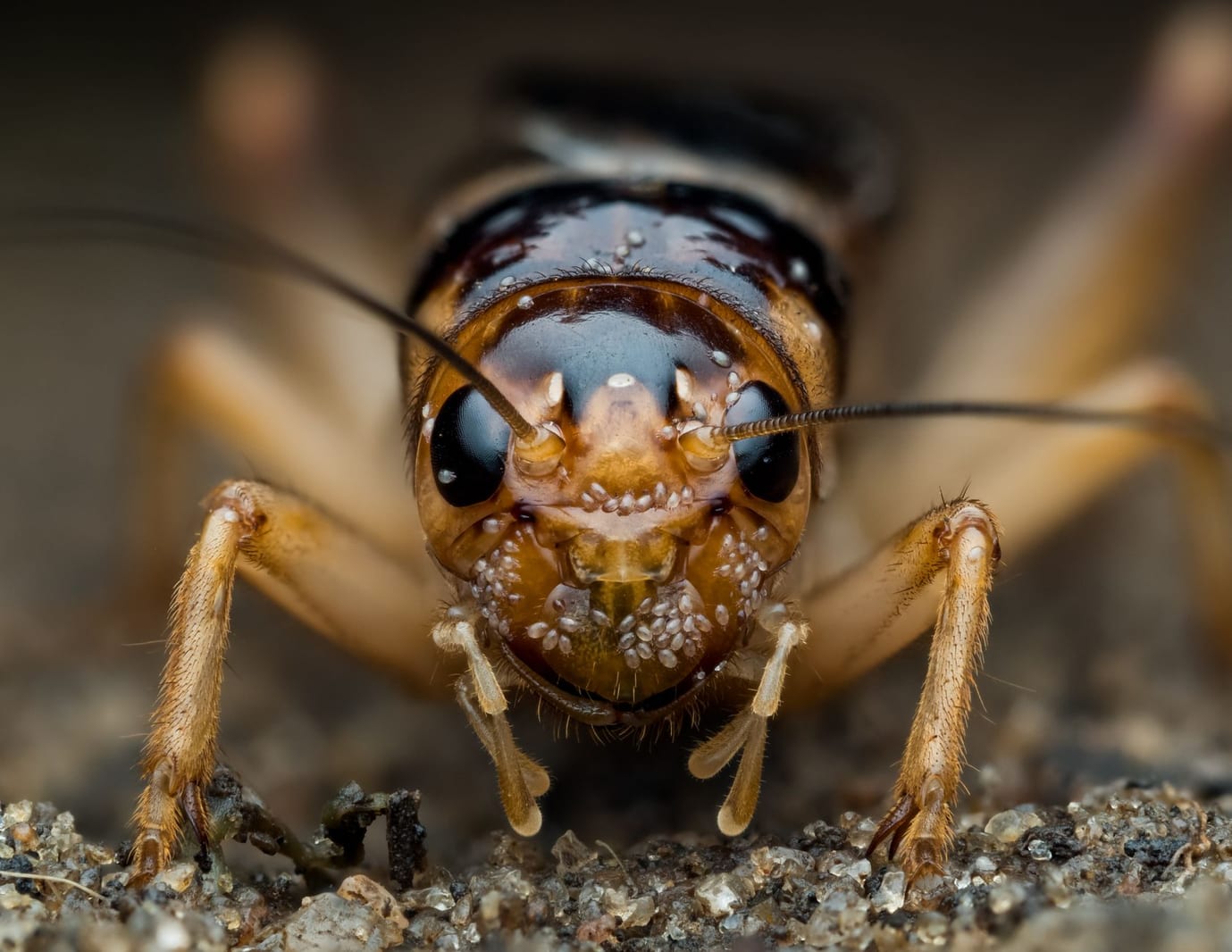
- Humpbacked, long-legged crickets jumping in basements, cellars or bathrooms
- Holes or damage in stored fabric, cardboard or paper in basement storage
- Crickets concentrated in damp, dark ground-floor and below-grade areas
How we treat cricket control in West Village
Crickets — especially the humpbacked camel cricket (often called a 'spider cricket' or 'cave cricket') — are a common but under-treated NYC pest. They thrive in the damp basements, cellars, crawl spaces and ground-floor units that older New York buildings have in abundance, and their chirping and jumping make them especially unwelcome indoors.
Camel crickets don't chirp but they jump erratically when disturbed and feed on fabric, cardboard and stored items in basements. House crickets are drawn to warmth and light. Both signal a moisture and entry-point problem, which is why treatment that ignores the underlying conditions never holds.
Local landmarks & coverage
We serve all of West Village and the surrounding Manhattan area — including Bleecker Street, Hudson Street, Meatpacking District, Christopher Street, Jane Street — across ZIP codes 10014.